Disability Justice in the Workplace
This post was originally featured in the Collective, Inc.’s newsletter, Issue #28, under Someone You Should Know in Work & Place on August 23, 2023.
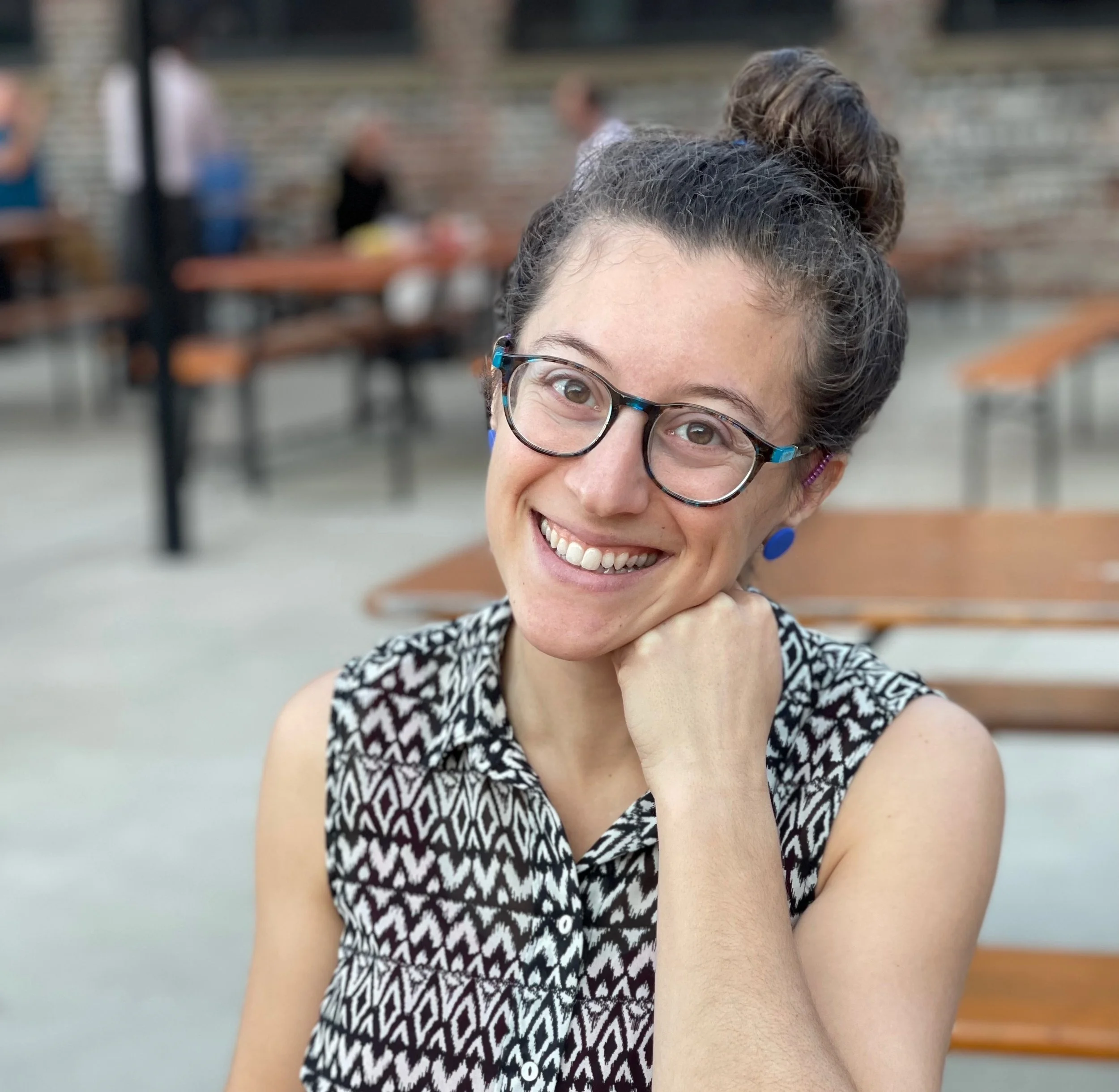
Lauren Goldberg is a disability advocate and entrepreneur helping give people the tools they need to be confident changemakers. Currently as a coach, she helps people find and pursue what lights them up. Lauren has a variety of experience working and studying behavior change, motivation, and organizational culture for mission-driven organizations, both internally and as a consultant. She’s helped various organizations elevate employees’ experience and sense of belonging. Along with her professional experience, her lived experience with disabilities – including ADHD, dyslexia, and deafness/hard of hearing – has shaped much of how she sees the world, especially employee experience.
In Her Own Words:
Designing our work cultures and systems alongside disabled people will transform our workplaces for everyone’s well-being.
According to the World Health Organization, an estimated 15% of the world is living with disabilities and chronic conditions. In the US, that number is even higher – 1 in every 4 adults has disabilities. And as we age, everyone experiences a disability at some point in their life, whether it’s temporary or not. People are not disabled by their physical conditions, but rather by the way we design our world to primarily suit able-bodied people.
Living in mainstream society, we’re taught (whether we’re aware of it or not) being able-bodied is superior to having disabilities. This is especially true in “hustle and grind” work cultures. This is ableism. And it comes up in so many ways: our choice of words and metaphors, how we run meetings, how we set schedules, how we design our websites, and how we build our buildings. Having a disability does NOT make someone “less than”. It’s simply another way of existing (and thriving) in the world. All humans have different needs. But often our workplaces, and the way we have set up our work systems, are not accessible to meet those human needs.
How can we design our workplaces to be anti-ableist? I envision a world where workplaces go beyond the bare minimum, like what’s legally required by the Americans with Disabilities Act (ADA) for example. I see a world where the norm is workplace design beyond having ramps and accessible parking. It’s developing systems for how our teams work and thrive together by centering the voices of people with disabilities. This means valuing these voices while evaluating and implementing intersectional DEIJ efforts. We can build impactful businesses that also accommodate humans having different needs – needs that also change.
Disabled people are the largest minority group in the world. If the goal is to build workplaces where all employees feel valued, designing our places and systems WITH & FOR disabled people will make our working world more inclusive, more accessible for everyone.
